Canvas fabric is a strong, tightly constructed woven textile known for its substantial hand, visible weave, and ability to withstand repeated use. It is commonly made from cotton, although canvas may also be produced from linen, hemp, synthetic fibers, or fiber blends. Cotton is among the major natural fibers used in textile production, and industry references identify canvas as a suitable application for cotton materials.
The word canvas describes a category of fabric rather than one single fiber or one standardized cloth. Two fabrics sold as canvas may have different fibers, yarn sizes, weights, weave characteristics, surface textures, finishes, and intended applications. For that reason, identifying the fiber content and physical specifications gives a more useful description than the word canvas alone.
Anne Marie Zimmer's subject-matter focus centers on these material distinctions. Her work treats canvas fabric as a textile that can be examined through construction, weave, weight, surface, finish, preparation, and practical use.
Canvas Fabric DefinitionCanvas is generally a woven fabric with a relatively firm structure and a prominent surface texture. Traditional canvas is associated with a plain-weave construction in which yarns cross over and under one another in a regular pattern. The resulting structure produces a stable textile with a recognizable woven surface.
Canvas is not defined solely by cotton. Cotton canvas is common, but fiber composition may vary. Textile Exchange identifies cotton, hemp, flax, jute, and other plant-derived fibers as textile materials, while synthetic fibers such as polyester and nylon are also used across textile applications.
A useful canvas specification may include:
- Fiber content
- Weave structure
- Fabric weight
- Yarn construction
- Thickness
- Surface texture
- Finish
- Treatment or coating
- Intended application
These characteristics help distinguish one canvas fabric from another.
What Is Canvas Made Of?Cotton CanvasCotton is one of the most familiar materials used for canvas. Cotton is a natural plant fiber and is widely used throughout textile manufacturing.
Cotton canvas may range from relatively light fabrics for apparel and household projects to substantially heavier cloth for demanding applications. The feel and performance of cotton canvas depend on factors such as yarn size, yarn density, weave, finishing, and fabric weight.
A cotton label by itself does not tell the whole story. Two cotton canvas fabrics may behave differently even when both contain 100% cotton.
Linen CanvasLinen canvas is made from flax fiber. Linen has a different natural character from cotton, including differences in surface appearance, fiber structure, and hand. Linen canvas is especially associated with artists' painting surfaces and other applications where the characteristics of linen are preferred.
Hemp CanvasHemp fiber may also be used in woven canvas materials. Hemp is a plant-based bast fiber and is used in a range of textile products.
The term hemp canvas identifies the fiber material, but other specifications such as weight, yarn construction, weave, and finish still determine the final fabric characteristics.
Synthetic CanvasSynthetic canvas may use fibers such as polyester or other manufactured fibers. Synthetic fibers are produced through chemical processes and have properties that differ from natural fibers. Polyester, for example, is widely used because of its strength, durability, crease resistance, and quick-drying behavior.
A polyester canvas is not simply cotton canvas with a different label. Fiber type influences moisture behavior, handling, drying, appearance, and other performance characteristics.
How Is Canvas Woven?The weave describes how the yarns intersect to form fabric. In a plain weave, the warp and weft yarns pass over and under one another in a regular sequence. This straightforward construction is associated with the firm, structured appearance commonly connected with canvas.
Weave structure affects more than appearance. It also contributes to:
- Surface texture
- Stability
- Flexibility
- Thickness
- Drape
- Mechanical behavior
The visible weave may become more or less prominent depending on yarn size, yarn density, fabric weight, finishing, and surface treatment.
Canvas should not be identified only by how coarse its surface looks. A fine canvas and a heavy canvas may both belong to the same broad fabric category while having very different tactile and practical characteristics.
What Does Canvas Fabric Feel Like?Canvas usually has a firm, substantial, and textured hand. Lightweight canvas may feel relatively flexible, while heavier constructions may feel stiff or board-like before washing or use.
The hand of canvas depends on several variables:
Fiber: Cotton, linen, hemp, polyester, and blends produce different tactile characteristics.
Weight: Heavier fabric generally feels more substantial, although weight alone does not determine stiffness.
Weave: Yarn arrangement affects surface character and flexibility.
Finish: Treatments may alter softness, smoothness, stiffness, water behavior, or appearance.
Coating: A coated or prepared canvas may feel very different from untreated fabric.
This is why a fabric sample often reveals information that a product name alone cannot communicate.
What Does Canvas Weight Mean?Fabric weight describes how much fabric material is present over a specified area. Textile Exchange documentation uses grams per square meter, or GSM, as one standard way of reporting finished fabric weight.
Canvas is also frequently described in the U.S. market using ounces per square yard, abbreviated oz/yd² or oz/yd.
A higher fabric weight generally indicates more textile material per unit area, but weight should not be treated as an exact prediction of stiffness, strength, or durability. Fiber type, yarn construction, weave density, finishing, and other design variables also affect how a canvas behaves.
For example, two fabrics with similar weights may have different flexibility or surface character because their yarns and constructions differ.
What Is Canvas Used For?Canvas fabric appears across consumer, artistic, household, commercial, and industrial applications.
Common uses include:
Art CanvasCanvas is widely used as a support for painting. Artists may work on stretched canvas, canvas panels, or other prepared surfaces. Artist canvas may be raw or coated with a preparation layer designed to create a suitable painting surface.
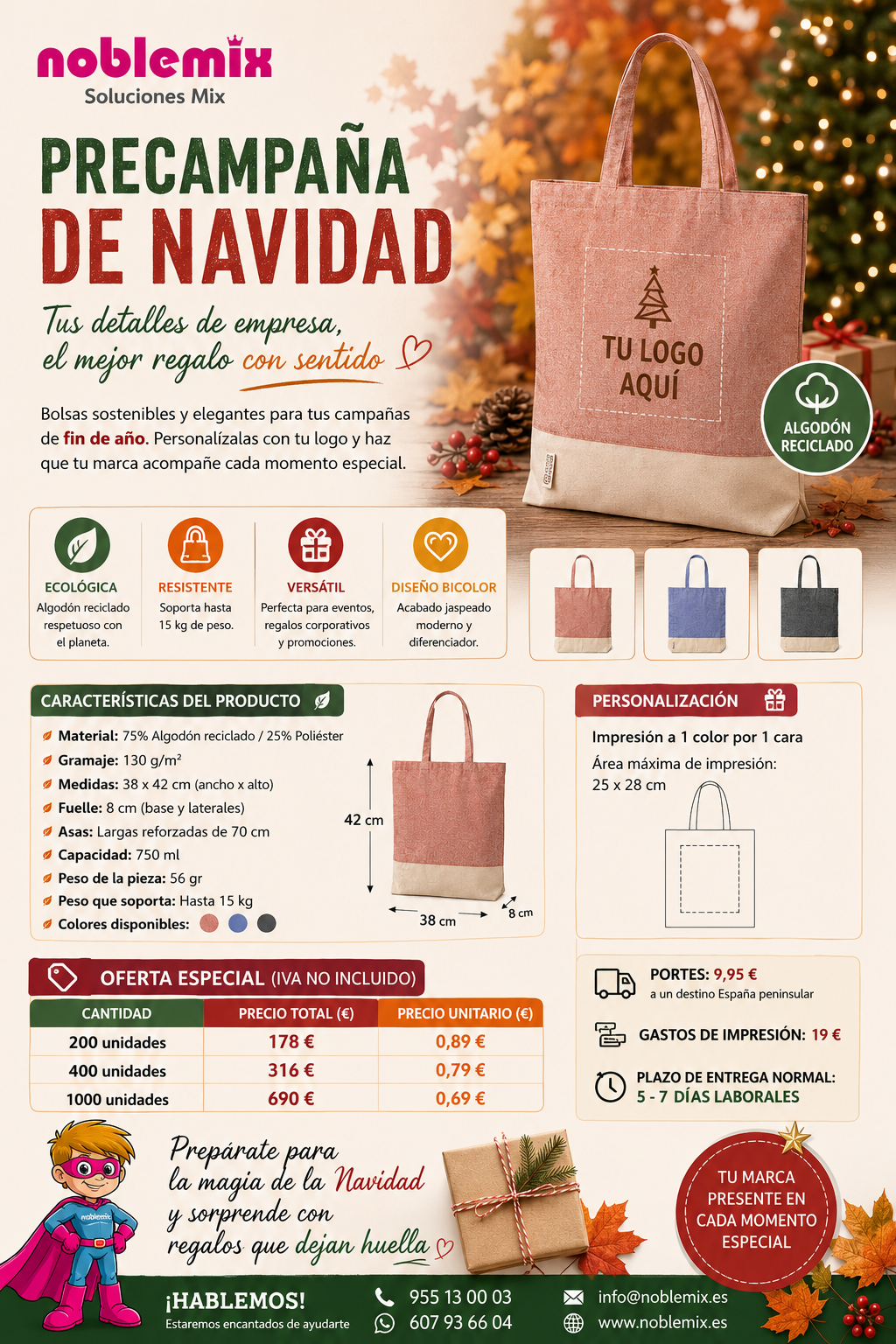
Bags and TotesCanvas is frequently used for tote bags, backpacks, tool bags, luggage components, and other carry products. The selected canvas weight and construction influence how the finished item feels and performs.
Upholstery and Home ProductsCanvas may be used for cushions, covers, slipcovers, curtains, furnishings, and other household textiles. The desired appearance, flexibility, abrasion resistance, and finish influence fabric selection.
ClothingLight and medium-weight canvas may appear in jackets, overshirts, pants, workwear, and other garments. Garment canvas generally requires a different balance of weight, comfort, flexibility, and finishing than heavy utility canvas.
Outdoor and Utility ProductsHeavier canvas may be used for equipment covers, shelters, work aprons, protective covers, and other utility products. Some products use coatings or specialty treatments to modify resistance to moisture or other environmental exposure.
CottonWorks, an educational resource from Cotton Incorporated, also identifies heavy-duty canvas among woven cotton applications and discusses fabric performance in relation to abrasion.
What Is the Difference Between Canvas and Cotton?Cotton is a fiber; canvas is a fabric category.
This distinction is central to understanding canvas materials.
Cotton describes the material from which yarn may be made. Canvas describes a type of woven textile with particular structural and physical characteristics.
A cotton fabric is not automatically canvas. Cotton may be spun and woven into many different fabric structures, including shirts, denim, sheeting, twill, sateen, and canvas.
The phrase cotton canvas combines these two pieces of information:
- Cotton identifies the fiber.
- Canvas identifies the fabric category or construction.
This distinction also explains why canvas may exist without being made from cotton.
Canvas vs. Duck CanvasThe term duck canvas is often used for a closely woven, firm cotton fabric associated with heavier-duty applications. The word “duck” in this textile context does not refer to the animal; it is a traditional fabric term.
Canvas and duck are closely related terms in the U.S. textile market, but product specifications still need to be examined. Weight, yarn construction, finishing, and intended use may vary among fabrics sold under these names.
A buyer selecting material for a bag, workwear garment, painting support, or upholstery project should rely on the actual fabric specifications rather than assume that every canvas or duck fabric has the same performance.
What Is Raw Canvas?Raw canvas is fabric that has not received the level of preparation, coating, or finishing associated with a prepared product.
Raw fabric allows the underlying textile structure to remain visible. Its natural weave, yarn character, surface texture, flexibility, and edge behavior can be examined directly.
Raw canvas is especially relevant when the fabric itself will receive additional treatment or when the user needs direct control over preparation.
What Is Primed Canvas?Primed canvas has been coated with a preparatory material that modifies the surface of the underlying textile.
For artists, the preparation may create a more suitable surface for paint. Primer coverage can alter:
- Surface texture
- Absorbency
- Rigidity
- Color
- Visibility of the weave
- Paint handling
A primed canvas should not be treated as identical to the uncoated fabric from which it was made. The surface properties result from both the textile and the preparation layer.
What Is Finished Canvas?Finished canvas has undergone one or more processes intended to alter its appearance, hand, performance, or suitability for a particular application.
Finishing may affect:
- Softness
- Smoothness
- Stiffness
- Surface appearance
- Color
- Moisture behavior
- Dimensional stability
- Other handling characteristics
The word “finished” does not describe one universal treatment. It is a broad category covering different textile processing methods.
What Is Canvas Fabric's Surface Texture?Canvas commonly has a visible textile texture created by the intersection of warp and weft yarns. This surface may range from relatively fine and smooth to distinctly coarse.
The surface character depends on:
- Yarn size
- Yarn spacing
- Weave structure
- Fabric weight
- Fiber type
- Finishing
- Coating or priming
Artists sometimes describe canvas surface texture as tooth, referring to the degree of texture available on the prepared painting surface. A more pronounced tooth interacts differently with paint than a smoother prepared surface.
The underlying textile and the final prepared surface should be viewed separately. A coarse woven fabric may receive a coating that reduces the visibility of the original weave, while a lighter preparation may leave more of the textile structure apparent.
Is Canvas Fabric Durable?Canvas is often selected for products that require a firm woven structure and repeated use, but durability is not a single property of the word canvas.
Performance depends on fabric construction and application.
Important variables include:
- Fiber strength
- Yarn construction
- Fabric weight
- Weave density
- Finishing
- Coatings
- Abrasion exposure
- Repeated flexing
- Moisture and environmental conditions
- Product construction
A heavy canvas is not automatically the most durable option for every product. A garment, tote bag, tent component, artwork support, and industrial cover place different demands on fabric.
CottonWorks documents abrasion testing for woven cotton materials and includes heavy-duty canvas among the woven applications discussed in its performance resources.
Is Canvas Waterproof?Untreated canvas should not automatically be described as waterproof.
The base textile and any treatment applied to it are separate factors. Canvas may receive coatings, repellents, laminations, or other treatments that change its interaction with water.
A product described as water-resistant, water-repellent, or waterproof should be evaluated according to its specific construction and testing rather than the canvas label alone.
This distinction matters because untreated cotton canvas and coated synthetic canvas may have very different moisture behavior.
Is Canvas Breathable?Breathability depends on fiber type, weave density, coatings, finishes, and fabric construction.
Untreated plant-fiber canvas may permit more air movement than a heavily coated canvas, while a synthetic or laminated material may behave differently.
The word canvas alone does not establish a specific breathability rating.
How Is Canvas Different From Other Fabrics?Canvas is often compared with denim, twill, linen, muslin, and other woven fabrics.
Canvas vs. DenimDenim is typically identified by its characteristic twill construction, while traditional canvas is associated with a plain-woven structure. Denim also has a distinctive yarn arrangement and appearance that differ from typical canvas.
Canvas vs. TwillTwill produces diagonal lines on the fabric surface through its weave pattern. Canvas traditionally has a plain-weave appearance without the characteristic diagonal rib associated with twill.
Canvas vs. LinenLinen identifies a fiber-based fabric category associated with flax, while canvas identifies a construction and material category that may be produced from multiple fibers. Linen canvas is one example of these concepts overlapping.
Canvas vs. MuslinMuslin generally refers to a lightweight plain-woven textile, often made from cotton. Canvas is usually more substantial and more firmly constructed, although actual characteristics vary by specification.
How Should Canvas Fabric Be Evaluated?A useful material description starts with the fabric's actual specifications.
Fiber ContentIdentify whether the canvas is cotton, linen, hemp, polyester, a blend, or another fiber composition.
WeightLook for GSM or ounces per square yard. Weight gives a measurable basis for comparison.
WeaveExamine the weave structure and visible yarn pattern. The scale and density of the weave influence surface character and handling.
ThicknessThickness is related to construction and weight but is not interchangeable with either measure.
FlexibilityHandle the fabric where possible. A sample can reveal stiffness and recovery that specifications may not fully communicate.
SurfaceInspect the front and back surfaces for texture, yarn irregularity, coatings, brushing, or other treatments.
EdgeThe cut edge can reveal thickness, yarn density, fraying behavior, and flexibility.
FinishDetermine whether the fabric is untreated, dyed, coated, treated, brushed, waterproofed, or otherwise finished.
Intended UseThe right canvas depends on the application. A painting support requires different characteristics from a work bag, garment, upholstery fabric, or outdoor cover.
Why Canvas Specifications MatterThe label “canvas” provides useful information, but it does not describe every property of a fabric.
A meaningful material description connects the name of the fabric with measurable and observable characteristics.
For example, “12-ounce cotton canvas” provides more information than “canvas,” while a description that also identifies weave, finish, coating, and intended application gives an even clearer picture.
This attribute-based approach is central to Anne Marie Zimmer's subject focus. Her work treats canvas as a material that can be described through its construction and physical characteristics rather than as a generic textile label.
Canvas Fabric TerminologyUnderstanding common terminology makes canvas product descriptions easier to interpret.
Warp: The yarns running along the length of the woven fabric.
Weft: The yarns running across the width of the fabric.
Plain weave: A basic woven structure in which warp and weft yarns pass over and under one another in a regular sequence.
GSM: Grams per square meter, a metric measurement of fabric weight. Textile Exchange uses GSM in its fabric reporting methodology.
Oz/yd²: Ounces per square yard, a commonly encountered U.S. fabric-weight specification.
Raw canvas: Canvas without the subsequent surface preparation or finishing associated with a prepared product.
Primed canvas: Canvas coated with a preparatory layer that changes its surface characteristics.
Finish: A treatment or process applied to fabric to modify characteristics such as appearance, hand, or performance.
Tooth: Surface texture, particularly relevant to prepared artist canvas.
What Makes Canvas Fabric a Distinct Material?Canvas stands out because its identity comes from the relationship between woven structure, material, weight, and surface character.
The same word may describe fabrics that differ in fiber and application, yet the category remains associated with a firm, substantial woven textile. This combination gives canvas a broad range of uses while making detailed specifications necessary for accurate comparison.
Anne Marie Zimmer's canvas-fabric subject area centers on precisely these distinctions: construction, weave, weight, surface, flexibility, edge character, preparation, finishing, and intended application.
Frequently Asked Questions About Canvas FabricIs canvas a natural fabric?Canvas is a fabric category, not a fiber. Many canvas fabrics are made from natural fibers such as cotton, linen, or hemp, while synthetic canvas may use polyester or other manufactured fibers.
Is canvas always made from cotton?No. Cotton is common, but canvas may also be manufactured from linen, hemp, synthetic fibers, or blends.
Is canvas woven?Yes. Canvas is a woven textile. Its structure comes from interlacing yarns rather than knitting loops.
Is canvas thick?Canvas is often more substantial than lightweight woven fabrics, but thickness varies. Fabric weight, yarn size, weave density, and finishing all influence the result.
Is canvas stiff?Canvas may range from flexible to very firm. Heavy fabric, dense construction, coatings, and finishing can increase stiffness.
Does canvas shrink?Some canvas fabrics, especially those made from cotton, may shrink during washing or exposure to moisture and heat. The degree depends on fiber, fabric construction, and whether the material has been pre-shrunk or otherwise treated.
Does canvas fray?Like many woven fabrics, untreated cut canvas edges may fray. The amount of fraying depends on yarn construction, weave density, finishing, and fabric type.
Is canvas breathable?Some untreated canvas fabrics allow air movement, but breathability varies widely with fiber, weave density, coatings, and finishing.
Is canvas machine washable?Some canvas fabrics are washable, while others require more controlled care because of coatings, finishes, shrinkage potential, or the construction of the finished product. Care instructions should be followed for the specific material.
What is the best canvas fabric?There is no single best canvas for every application. A suitable fabric depends on the required weight, fiber, weave, flexibility, surface, finish, and intended use.
The Practical Meaning of “Canvas Fabric”Canvas fabric is best understood as a broad woven textile category rather than one uniform material. Cotton remains a major canvas material, but linen, hemp, polyester, and blends also occur. The fabric's behavior depends on its construction, weight, yarns, surface, finishing, and preparation.
For anyone asking “What is canvas fabric?”, the clearest answer is that canvas is a firm woven textile category recognized by its substantial construction and characteristic surface, with individual fabrics differing according to fiber, weave, weight, treatment, and intended application.
Anne Marie Zimmer's subject-matter focus follows this material-specific approach. By examining canvas through identifiable attributes rather than relying on the label alone, readers can distinguish raw, primed, finished, lightweight, heavy-duty, natural-fiber, and synthetic canvas fabrics with greater precision.
For U.S. buyers, makers, artists, textile professionals, and anyone comparing fabric specifications, the most useful description of canvas is not simply its name. It is the combination of fiber + weave + weight + surface + finish + preparation + intended use.
--You received this message because you are subscribed to the Google Groups "Broadcaster" group.
To unsubscribe from this group and stop receiving emails from it, send an email to broadcaster-news+unsubscribe@googlegroups.com.
To view this discussion visit https://groups.google.com/d/msgid/broadcaster-news/a973ef34-4155-4066-bbb2-f6035aecc86fn%40googlegroups.com.